Roofing problems usually begin with small defects. Signs of wear or weather-related damage are easy to miss, as they are often not visible from the ground. It can be difficult to assess the real extent of roof damage at a glance. In many cases, a small crack or a shifted shingle goes unnoticed until the first serious leak appears.
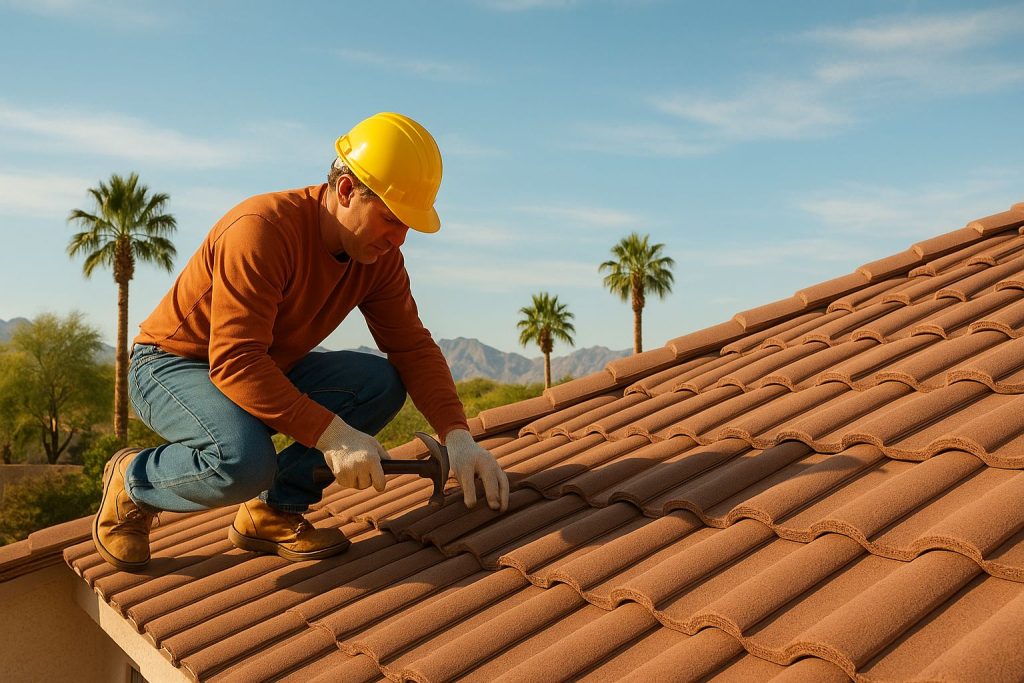
Homeowners need to clearly understand the difference between a cosmetic issue and critical damage. Not every situation requires immediate replacement of the entire roof. However, in some cases, delaying repairs can lead to more serious problems. But don’t worry. Now, you’ll learn how to recognize signs that require prompt residential roof repair, how to choose a local roof repair specialist in Tempe, and what costs homeowners typically expect.
When Roof Repair Can’t Wait
Roof repair is urgent when damage threatens the roof’s watertightness and the safety of the home. Remember these signs:
- Visible shingle damage. This is the most obvious signal that it is time to turn to residential roof repair. It includes cracked shingles, shingles curled at the edges, or shingles that are completely missing. After strong winds, fragments of roofing material can often be found on the lawn. If individual shingles are shifted or missing, the inner layers of the roof remain without the necessary protection.
- Large amounts of roofing granules in gutters. This is another sign that indicates the need to look for roof repair specialists. This fact should not be ignored. Special attention should be paid to the loss of protective granules. Take a closer look at the roof surface. If you notice “bald” dark areas, it means that the protective layer of the shingles has been damaged. This is a reason to sound the alarm. Stone granules act as a shield against ultraviolet radiation, and without them, sunlight quickly destroys the asphalt base. It loses flexibility, becomes brittle, and develops microcracks.
- Active leaks or stains on the ceiling. Water entering the home indicates a critical situation. It rarely appears immediately as dripping water from the ceiling. At first, you may notice dark spots, streaks, or peeling paint in the corners of rooms or in the attic. Water often runs down interior walls or accumulates around chimneys and ventilation outlets. A leak can also be hidden—it shows itself through dampness and mold. If these symptoms are ignored, the situation can escalate to rotting wooden rafters and damaged insulation.
- Sagging along the roof ridge or in individual roof sections. These are structural risks. This is the most dangerous type of damage, as it indicates a weakened roof frame. It occurs due to prolonged exposure to moisture or excessive snow load. The condition of eaves and soffits also deserves attention. If the wood begins to rot or crumble, the roof loses its stability. Such problems threaten the safety of the entire building. Home roof repairs are 100% necessary. The sooner, the better.
And one more point. Extreme weather conditions place additional stress on the roof. So if a storm has passed through your area, it’s important to carry out an inspection as soon as possible. Hail can leave dents and microcracks, while strong winds can lift shingles and compromise the tightness of joints. Even if there are no visible holes, hidden damage may reveal itself during the next rainfall. So just in case, it’s best to keep the phone number of local roof repair specialists in Tempe close at hand.
Comparison of Roof Issues
| Type of issue | Nature of the damage | How urgent it is |
|---|---|---|
| Cosmetic | Minor loss of granules, fading | Can wait |
| Localized | Single broken shingle, debris in gutters | Scheduled repair |
| Serious | Multiple cracks, shingles lifted by wind | Should not be delayed |
| Critical | Active leaks, roof sagging, rot | Immediate |
How do I know if my roof needs repair?
Start with external signs. Check the gutters for sand-like debris and shingle granules. Inside the house, inspect ceilings and attic walls for water stains or light coming through the roof decking. If you notice any changes in the shape or color of the roof, it’s time to call roof repair specialists in Tempe.
Is roof damage an emergency?
Roof damage is considered an emergency if the home’s watertightness is compromised or there is a risk of structural failure. This can be identified by active leaks during rain or after snowfall. Large punctures caused by fallen branches or structural sagging of the roof are also dangerous signs.
Is it cheaper to repair or replace a roof?
It depends on the extent of the damage. According to Phoenix Roofing estimates, localized repairs are usually more cost-effective if less than 25–30% of the roof surface is affected. Small jobs such as replacing a few shingles or sealing joints can help extend the lifespan of the entire structure.
What happens if you don’t repair your roof?
Water trapped beneath shingles leads to rotting of the wooden decking and rafter system. A damp environment promotes rapid growth of black mold. Over time, even a small leak can destroy insulation and damage electrical wiring. As a result, a minor issue can turn into the need for major repairs to the entire building.
What Residential Roof Repair Includes
Professional residential roof repair in Tempe means restoring the watertightness of the entire roofing “system.” The scope of work depends on the extent of the damage:
- If the damage is superficial, only the finishing layer needs to be restored: replacing shingles or renewing sealant.
- Deep damage affects internal layers, including the waterproofing membrane, decking, and rafters.
The most common service homeowners request from roof repair specialists is the replacement of damaged or torn shingles. The technician carefully removes the old fastening nails, takes out the damaged shingle, and secures a new one in its place. This restores the protective outer layer of the roof.
Another important stage is flashing repair. Flashing consists of metal plates that seal joints where the roof meets chimneys and walls. Over time, the metal corrodes, and the sealant beneath it cracks. The specialist replaces bent or damaged plates and applies a fresh waterproof sealing layer.
Roof repair specialists also always inspect ventilation outlets and pipes. These penetrations are protected by rubber boots that seal the roof openings. Under constant sun exposure, the rubber dries out and begins to let water through. The technician installs new boots and reseals the joints.
Leak detection is the most labor-intensive part of the job for roof repair specialists. Water may enter the roof in one location but appear on the ceiling in a completely different area. The technician examines the attic for signs of moisture and mold. Once the source is identified, a localized replacement of the waterproofing membrane is carried out.
If moisture has been penetrating beneath the shingles for an extended period, the decking is affected. This is the plywood base to which the roofing materials are attached. The technician cuts out rotted sections of wood and replaces them with solid panels. These structural repairs restore the roof’s stability.
What is the most common roof repair?
The most common residential roof repair in Tempe is the replacement of damaged shingles and sealing of joints. These are usually localized jobs: a technician replaces between 1 and 10 shingles torn off by wind or renews old sealant around a chimney. Such tasks are completed quickly. They do not affect the deeper layers of the roof and are most often caused by natural wear or storm damage.
What is a major roof repair?
A major roof repair involves work on the roof base and structural elements. This includes replacing rotted plywood decking, repairing rafters, or restoring large sections of the waterproofing underlayment. Such repairs are required when a leak was hidden and damaged the wood over a long period. They involve removing significant sections of the roofing material and require a crew of several workers.
What is considered a minor roof repair?
Minor home roof repairs are preventive tasks that do not affect the building’s structural “skeleton.” These include replacing rubber boots on vent pipes, reattaching individual shingles, or cleaning gutters. Such work helps prevent serious leaks from developing. It is usually performed by a single technician within a few hours and does not require heavy equipment.
How to Choose a Local Roof Repair Specialist
Choosing a contractor for local roof repair in Tempe requires careful attention to documentation and reputation. Your goal is to find a professional who will not disappear after receiving payment. Start by verifying the state license and insurance coverage (General Liability and Workers’ Compensation). Without proper insurance, you may be held liable if a worker is injured on your property.
Local experience plays a critical role. There are several reasons for this:
- Knowledge of the climate. Local roof repair specialists understand how humidity, wind, and temperature fluctuations affect roofing materials.
- Compliance with building codes. The contractor should be familiar with the specific building codes of your state and county.
- Reputation within the community. These companies depend on local reviews, so they value quality and accountability.
- Warranty accessibility. If issues arise after the repair, a local contractor can respond quickly.
Transparency during the inspection process is another sign of expertise. Reliable roof repair specialists in Tempe will provide photos of the damage and clearly explain the repair plan. Avoid contractors who quote a price “by eye” without accessing the roof. All agreements should be documented in a written estimate.
Never rely on verbal promises. A detailed contract is your primary legal protection in the United States. Make sure the document clearly specifies:
- the exact brands of materials;
- start and completion timelines;
- conditions for cleaning up construction debris.
Clarify the payment schedule in advance. Professional companies rarely require a full down payment of more than 10–25% before materials are delivered to the site. A clearly defined payment structure protects you from the risk of a contractor abandoning the job midway.
Warranty terms must also be included in the contract. Distinguish between the manufacturer’s warranty on materials and the workmanship warranty provided by the contractor. The latter typically covers free correction of installation errors within a specified period.
Professional roof repair specialists usually answer work-related questions clearly and directly. If a contractor avoids giving answers or pressures you to sign a contract quickly, this is a warning sign. Ignoring such signals can lead to costly repeat repairs.
What are roofers responsible for?
Roofers are responsible for safe and proper home roof repairs or replacement. After the work is completed, they must provide a workmanship warranty. A professional contractor is also responsible for leaving the job site clean and free of construction debris.
How to tell if a roofer is lying?
The main sign of dishonesty is creating fear without evidence. If a contractor refuses to show photos of damaged decking or rafters, they may be exaggerating the problem. It is also suspicious when a “today only” price is suddenly twice as low as the market average. Always compare their claims with an independent inspection or a second professional opinion. An honest contractor is never afraid of comparison.
What is the 2-year rule for contractors?
This rule is often used to assess the reliability of a construction business. Most new companies close within their first two years of operation. If a contractor has been in business longer than that, it usually indicates stability and experience.
What should you not say to a contractor?
Never tell a contractor your maximum budget before receiving an official estimate. This can lead to artificial price inflation. Also avoid saying that you are in a hurry or that this contractor is your only option. Try to appear informed and confident. Do not mention the amount approved by your insurance company—the actual repair may cost less.
What are the red flags for roofing contractors?
Red flags include demands for full cash payment before home roof repairs begin or the absence of a permanent business address. Be cautious of contractors who go door to door after a storm (door-to-door solicitors). Another warning sign is the lack of a written contract or refusal to provide proof of insurance.
Cost Factors for Residential Roof Repair in Phoenix
The cost of local roof repair in Tempe is rarely fixed. It depends on a set of variables that specialists evaluate for each individual property. For example, Phoenix Roofing emphasizes that pricing always takes into account the current condition of the entire roof “system.” This factor, not just the size of the damaged area, is the primary criterion.
The final price is influenced by the following factors:
- Type of material. Home roof repairs involving standard asphalt shingles are usually the most affordable. Work with metal, tile, or slate roofing costs more.
- Roof pitch and accessibility. If the roof has a steep pitch, workers require advanced safety equipment. Costs also increase when access to the home is limited by fences, landscaping, or trees.
- Number of layers. Removing two layers of old shingles is more expensive than working with a single layer. This increases both labor costs and debris disposal expenses.
- Extent of the damage. Spot replacement of shingles falls into one price range. If moisture has damaged the internal decking, the roof must be opened, which significantly increases the cost.
Emergency service during a storm or at night is also charged at a higher rate. Professional roof repair specialists in Tempe always include these details in a written estimate. This helps prevent hidden charges after the work is completed.
What is the average cost of fixing a roof?
On average, roof repair costs range from $400 to $1,900. Small tasks, such as replacing a couple of shingles, usually cost between $150 and $350. More serious work involving major leaks or replacement of damaged decking most often costs between $1,000 and $2,500.
How much should it cost to fix a roof?
A fair price depends on the complexity of the job and your location. On average, roofers charge between $45 and $75 per hour per worker, plus the cost of materials. Always request a detailed estimate so labor and material costs are listed separately.
What is the cheapest way to repair a roof?
Localized, timely residential roof repair. For example, small holes can be temporarily sealed with roofing sealant. Preventive maintenance should also not be overlooked.
Conclude
Make roof repair decisions based on the type and scale of the damage. Many issues can be resolved through localized repairs. In such cases, there is no need to spend money on a full roof replacement.
Below, we answer common questions about material lifespan, insurance considerations, and budgeting for roof repairs.
Frequently Asked Questions About Residential Roof Repair in Tempe
Yes, if the damage is localized. Roof repair specialists in Tempe can replace a single section of shingles, renew waterproofing in a specific valley, or repair flashing around a chimney.
Most insurance companies in the United States consider 20 years to be a critical age for standard asphalt shingles. If your roof is older than that, coverage for damage may be denied
The best time is spring or fall. During these seasons, asphalt shingles bond reliably under mild sunlight, without extreme heat or cold.
The cost of residential roof repair in Tempe depends on the material and the region. Localized repairs may cost several hundred dollars, while full replacement of the finishing layer can cost several thousand.
The most expensive component is skilled labor and associated insurance coverage. Among materials, metal components, waterproofing layers, and roofing materials can be the most costly.
The average lifespan of asphalt shingles is 20 to 30 years. Metal roofs typically last around 50 years. Natural tile or slate roofs can last up to 100 years.